Welcome to
The UK's Premier Destination for Co-Fermented Natural Wines
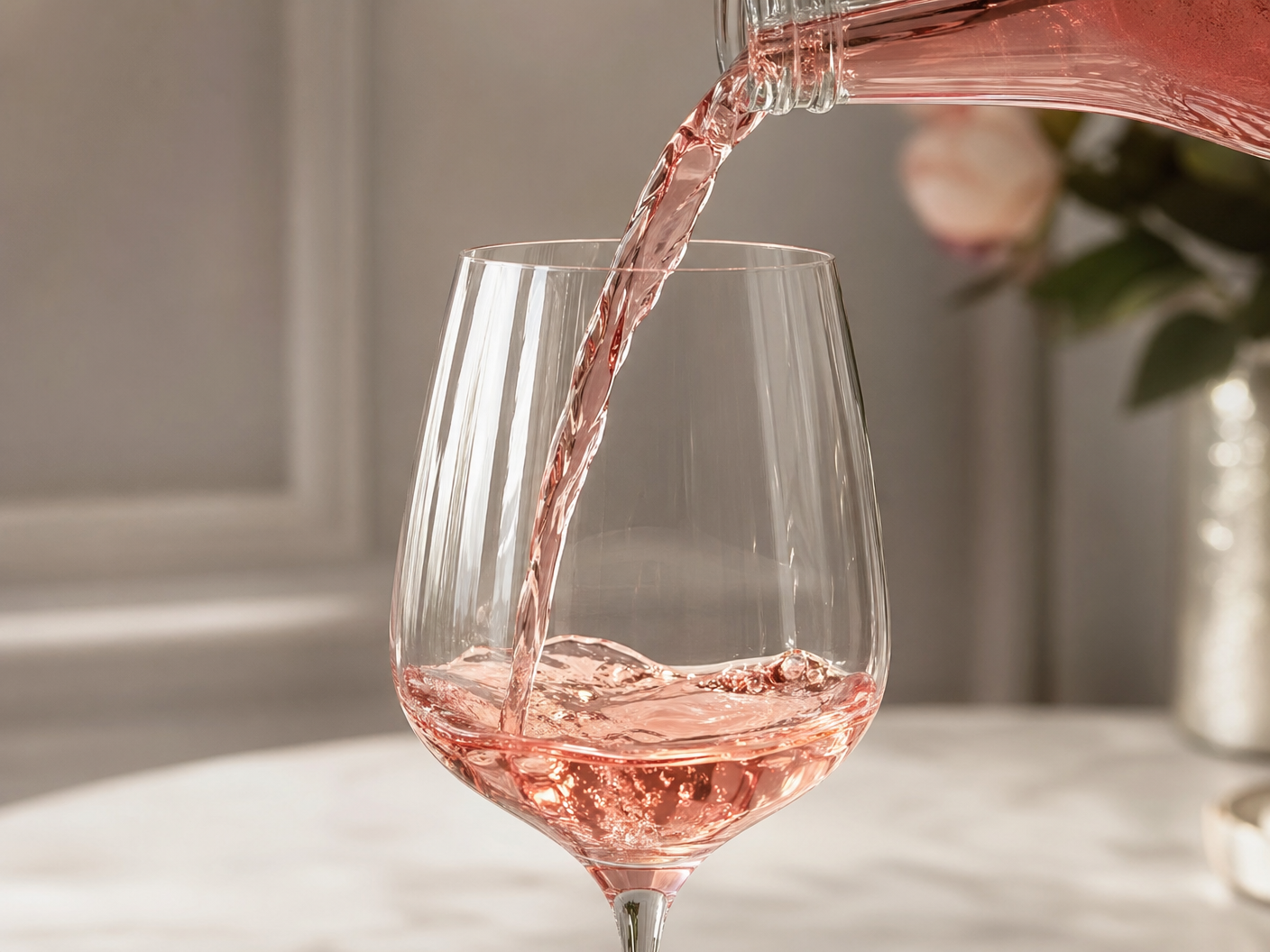
Explore the TrendIt's not a red. It's not a white. It's not even a traditional rosé. It is Blouge—and BlougeWines.co.uk is your gateway to discovering it.
The term "Blouge" is a vibrant portmanteau of the French words blanc (white) and rouge (red). As highlighted in a recent feature by The Guardian, this style is the "surprising boom" of the natural wine scene, perfectly suited for a 5 PM glass in the sun. But Blouge is more than just a catchy name; it represents a fundamental shift in winemaking technique.
Unlike standard blends where finished red and white wines are mixed together, Blouge is defined by co-fermentation. This means red and white grapes—often harvested from the same field or adjoining plots—are tossed into the same vat to ferment together from the very beginning. The result is a wine that captures the aromatic lift and high-toned acidity of white grapes while retaining the structure, depth, and "crunchy" red fruit character of red varieties.
While the "Blouvment" feels modern, the practice of mixing grapes has ancient origins. Before the 20th-century obsession with varietal purity, field blends were the standard across Europe.
In the Middle Ages, vineyards were often planted with a mix of varieties to ensure a harvest regardless of weather. These "field blends" were the original ancestors of today's Blouge.
Spain has a long tradition of claretes—wines made by co-fermenting red and white grapes. This traditional style is seeing a massive revival in regions like Ribera del Duero.
Similar to Blouge, palhetes are light, pale wines from Portugal that have been enjoyed for centuries, prized for their freshness and drinkability.
| Era | Style Name | Primary Characteristics |
|---|---|---|
| Medieval | Field Blends | Mixed varieties, unpredictable, terroir-driven |
| 18th-19th Century | Claret / Clairet | Light red, often exported to the UK from Bordeaux |
| Modern (2020s) | Blouge | Low-intervention, co-fermented, high acidity, chillable |
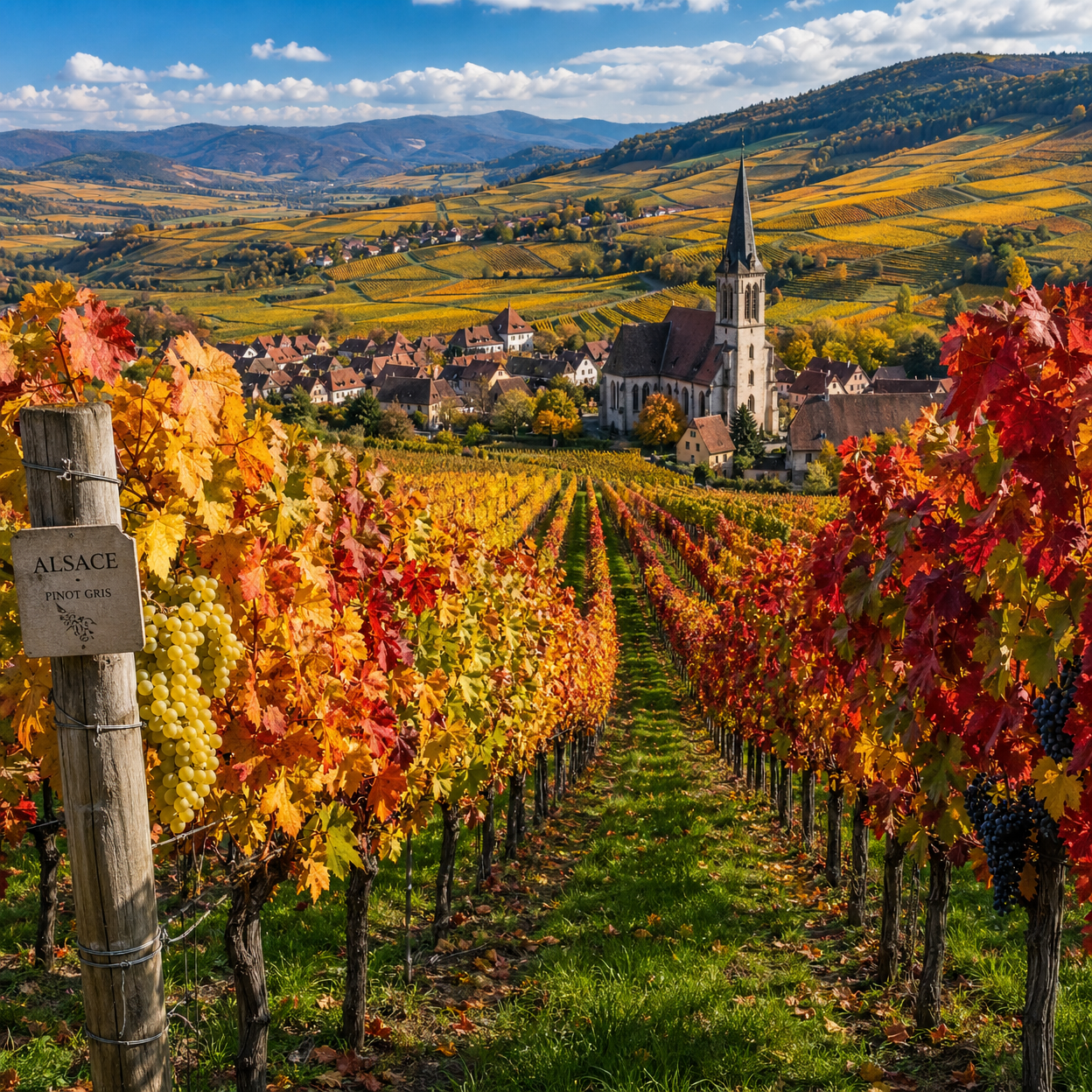
From the rolling hills of Alsace to the experimental vineyards of the UK, Blouge is a global phenomenon.
The spiritual home of the modern movement. Christian Binner is a key figure here, producing the famous Côtes d’Amourschwihr Pinots—a stunning co-fermentation of Pinot Gris and Pinot Noir.
In Bordeaux, winemakers are breaking tradition by co-fermenting Cabernet Sauvignon with Sauvignon Blanc. In the Loire, Chenin Blanc is often paired with Grolleau for a zesty, red-fruit profile.
The UK's cool climate is perfect for Blouge. With high-acid Chardonnay and Pinot Noir readily available, British winemakers are creating some of the most exciting "Vin de France" style hybrids in the world.
New World producers are embracing Blouge as a response to climate change. By adding white grapes to red ferments, they can maintain freshness and lower alcohol levels in warming regions.
Ready to try the trend? These UK stockists are leading the way in the Blouge revolution.
Home to Le blouge à Nestor 2022, a unique blend of 90% Gamay and 10% Chardonnay with semi-carbonic maceration.
The UK's most comprehensive collection of co-fermented natural wines.
We specialize in sourcing directly from independent, low-intervention winemakers who are redefining the boundaries of color and taste. Whether you're looking for a "crunchy" Alsace blend or a zesty Loire hybrid, our curated selection is updated weekly with the latest releases from the "Blouvment."
Visit us at:
To the uninitiated, mixing red and white grapes might seem like a shortcut. However, the science of co-fermentation is complex and rewarding. When red and white grapes are fermented together, the interaction between different phenolic compounds—tannins from the red skins and acids from the white pulp—creates a unique molecular structure. This often results in a more stable color than a simple blend and a more integrated flavor profile.
As noted by The Economist, this "playful style" is opening up new markets. It appeals to a generation of drinkers who value freshness and "drinkability" over the heavy, oak-aged reds of the past. The "glou-glou" nature of Blouge—a French term for wines that are exceptionally easy to drink—makes them highly versatile for food pairing.
The rise of Blouge is intrinsically linked to the natural wine movement. Most producers of this style adhere to low-intervention practices: organic or biodynamic farming, native yeast fermentation, and little to no added sulfur. This commitment to the environment ensures that every bottle of Blouge is a true reflection of its origin. At blougewines.co.uk, we pride ourselves on supporting these small-scale artisans who are leading the charge toward a more sustainable future for the wine industry.